Afropean will convene scholars from around the country and Europe who offer both a breadth of research and expertise on the topic of Black people and Blackness in Europe since colonization and geographic variety including Germany, Italy, Denmark, France, Sweden and the former Soviet Union. Scholars will partake in public panel discussions that will place them in conversation, an intellectual workshop about the state of the field, an evening dinner and keynote, a graduate and undergraduate student workshop focused on researching in European archives, and visits to select classes.
Participants:
Laila Amine, UW-Madison
Silke Hackenesch, University of Cologne
Kimberly St. Julian-Varnon, University of Pennsylvania
Cristina Lombardi-Diop, Loyola Chicago
Michael McEachrane, Carnegie Mellon
Marissa J. Moorman, UW-Madison
Michelle Moyd, Michigan State University
Rosemarie Peña, Rutgers University-Camden
Julia Roos, Indiana University-Bloomington
Sabrina Thomas, UW-Madison
Eliana Vãgãlãu, Loyola Chicago
Jamele Watkins, University of Minnesota
Ethelene Whitmire, UW-Madison
Schedule:
Monday, October 5th
10:15am Breakfast and Welcome by Christy Clark-Pujara
11:00-11:50am Panel One
Moderator: Michelle Moyd
- Cristina Lombardi, “Between Sea and Continent: Black Italy as a Comparative Case for Black Europe”
- Michael McEachrane, “Decolonial Blackness and Europe”
- Eliana Vagalau, “Black Paris Today”
- Jamele Watkins, “Black Germans Pasts and Futures”
12:00-1:00pm
Keynote: Julian Varnon
1:15-2:30pm Panel Two
Moderator:Marissa Moorman
- Silke Hackenesch, “Negotiating Race and Responsibility: The Adoption of Black German Children to the United States after WWII”
- Ethelene Whitmire, “Searching for Utopia: African Americans in 20th Century Denmark”
- Laila Amine, “Elsewheres of Black Freedom: African Americans’ Natal Alienation and the Problem of Home”
- Kimberly St. Julian Varnon, “A Soviet Grammar of Blackness: Soviet Media Archetypes of African Americans and Africans”
Tuesday, October 6th
9:00-11:00am Breakfast/Graduate Student Workshop: Researching and Recovering Race in European records
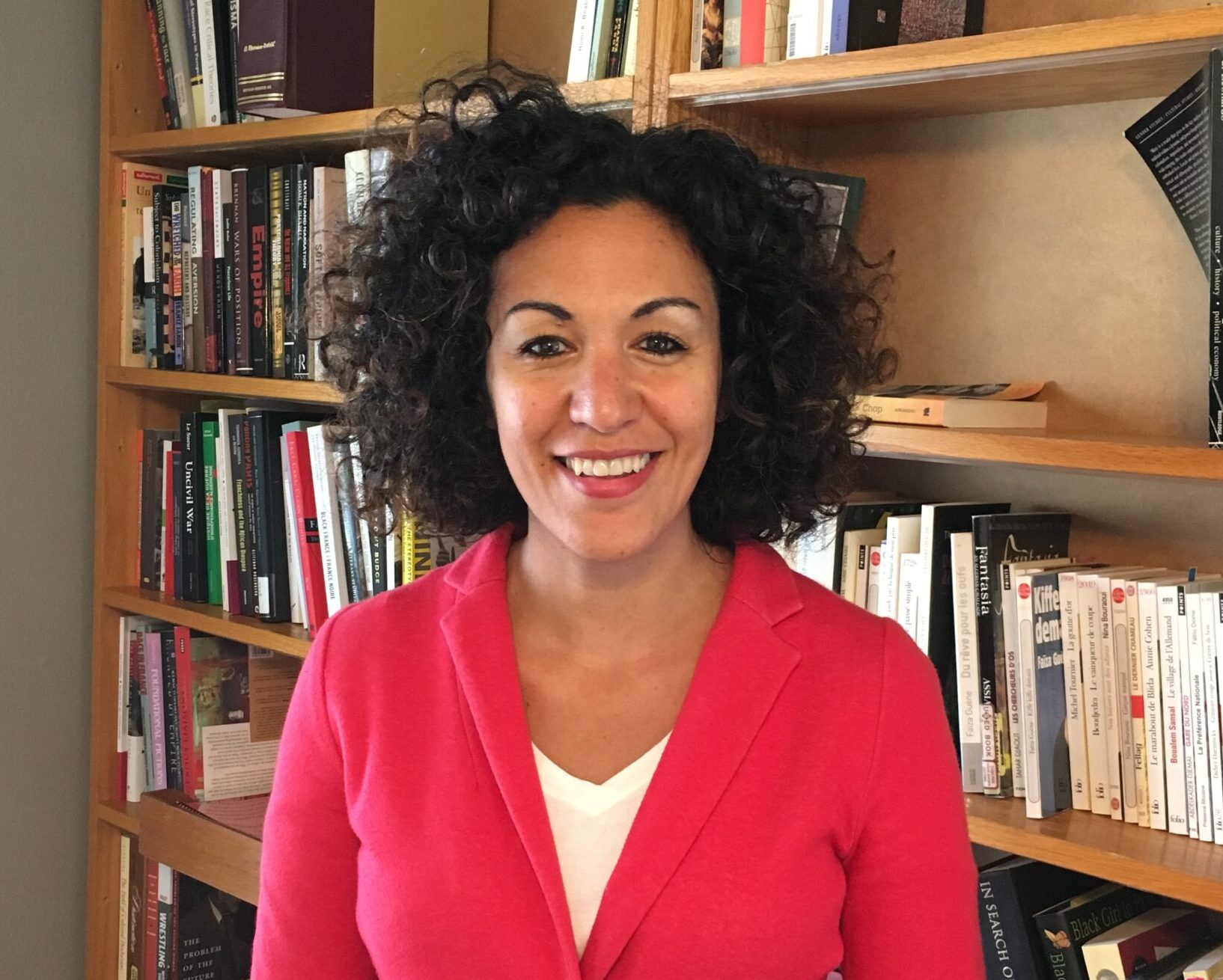
Laila Amine is professor of English at the University of Wisconsin–Madison, where she specializes in African American transnationalism, the African diaspora, and postcolonial studies. Her essays have appeared in American Literature, African American Review,and College Literature. She is the author of Postcolonial Paris: Fictions of Intimacy in the City of Light (University of Wisconsin Press, 2018) and is currently completing a monograph on exile in African American literature after World War II, supported by the Andrew W. Mellon Foundation, the American Academy in Berlin, the Schomburg Center for Research in Black Culture, and the National Endowment for the Humanities.
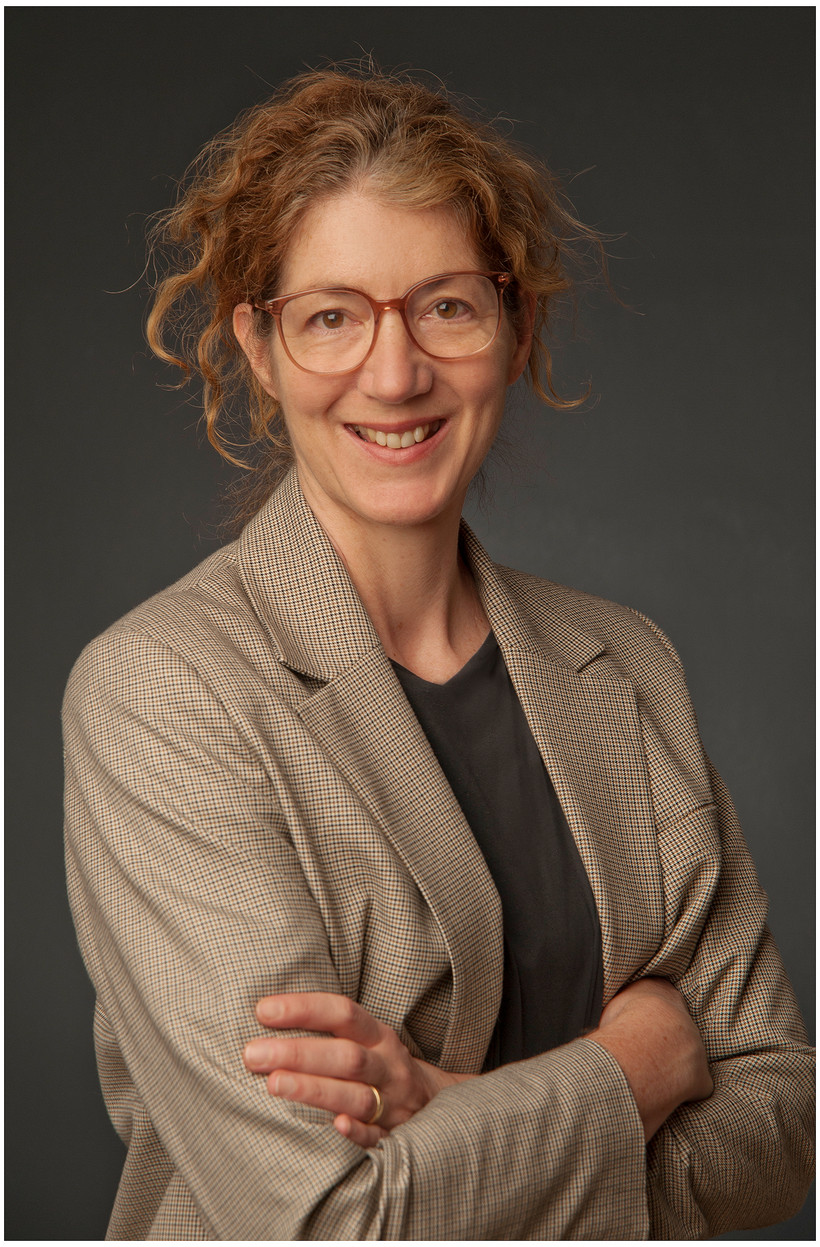
Silke Hackenesch is an Associate Professor at the Institute of North American History at the University of Cologne. She specializes in 20th century Childhood and Adoption Studies, Black American History, Commodity History, Critical Race and Gender Studies, and Black Diaspora Studies.Silke is the author of Chocolate and Blackness: A Cultural History (Campus, 2017). She has published articles in Historische Anthropologie, Food and History, and Comparativ: Zeitschrift für Globalgeschichte und vergleichende Gesellschaftsforschung. She has written chapters for Rethinking Black German Studies, Kinder des Zweiten Weltkrieges (Campus), and Race & Sex: Eine Geschichte der Neuzeit (Neofelis) as well as a chapter on Sojourner Truth for the volume Geschichte des Politischen Denkens: Das 19. Jahrhundert (Suhrkamp). Her recent publications include the edited volume Adoption Across Race and Nations: U.S. Histories and Legacies with Ohio State University Press as well as book chapters on the contested practice of proxy adoptions, transnational debates on family, race, and civil rights as well as chapters on the construction of German Shepherds as police dogs as well as the history of racialized advertising.
 Kimberly St. Julian-Varnon is a PhD Candidate in History at the University of Pennsylvania. Her current project is a cultural and social history that explores the meanings of race and Blackness in the Soviet Union and East Germany. Additionally, she is a global subject matter expert on race and foreign policy in Russo-American and Russo-Ukrainian relations. Her writing and interviews have been featured in and on The New York Times, CNN, MSNBC, Vice News, and The Moscow Times.
At the intersection of different academic and professional world, Cristina Lombardi-Diop‘s career as educator and scholar has spanned over two continents. She was born and raised in Rome, where she completed her undergraduate education with an Italian laurea (Magna cum Laude) in Modern Languages and Literatures; she then arrived to the United States as a Fulbright Scholar to complete a terminal Master Degree in African Studies at Yale University, before continuing for a Ph.D. in Comparative Literature at New York University. Cristina is fluent in four languages and truly devoted to international education, having spent five years as a faculty and administrator at The American University of Rome – an independent, international Liberal Arts college in the heart of the eternal city. Her range of expertise spans from modern and contemporary Italian literature, Italian film, colonial and postcolonial studies, migration studies, critical race theory, queer and postmodern theory.
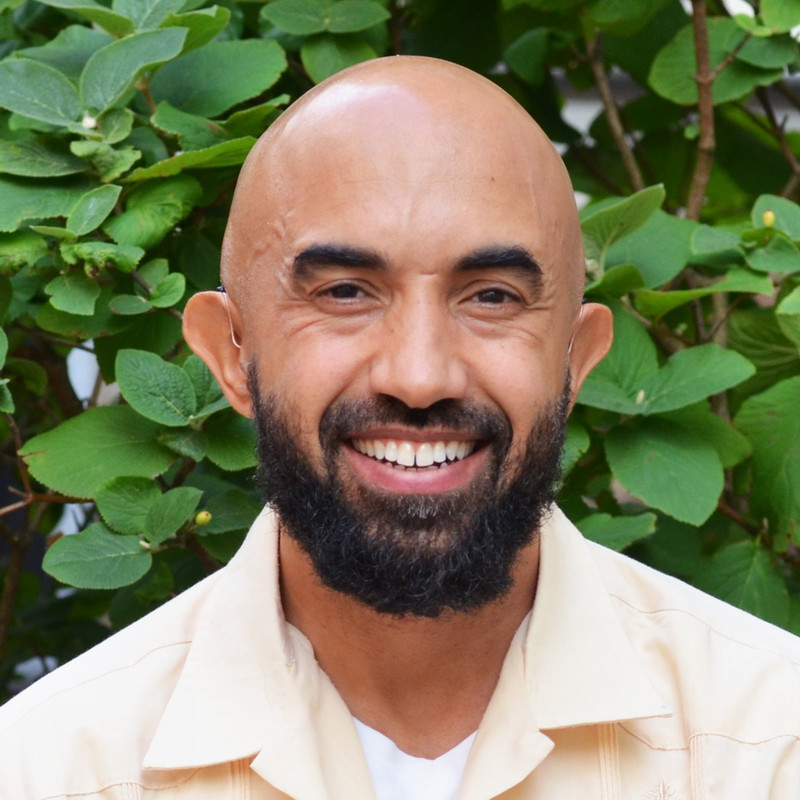 Michael McEachrane is a researcher in Black European studies, human rights studies and postcolonialism and an international human rights activist from Sweden. Besides being a senior research fellow for the Center for Black European Studies & the Atlantic (CBESA), he is currently a member of the U.N. Permanent Forum on People of African Descent. As a researcherDr. McEachrane is, among other things, the editor of Decolonial Sweden and Afro-Nordic Landscapes: Equality and Race in Northern Europe, and the author of numerous articles and book chapters on such topics as Pan-Africanism, African diasporas in Europe, anti-discrimination law and systemic racism. As an activist he has co-founded several civil society organizations and was involved in the establishment of the U.N. Permanent Forum of People of African Descent. Dr. McEachrane was a 2024-2025 Racial Justice Fellow at the Harvard Kennedy School’s Carr-Ryan Center for Human Rights and is an external affiliate at the University College London (UCL) Sarah Parker Remond Centre Centre for the Study of Racism and Racialisation.
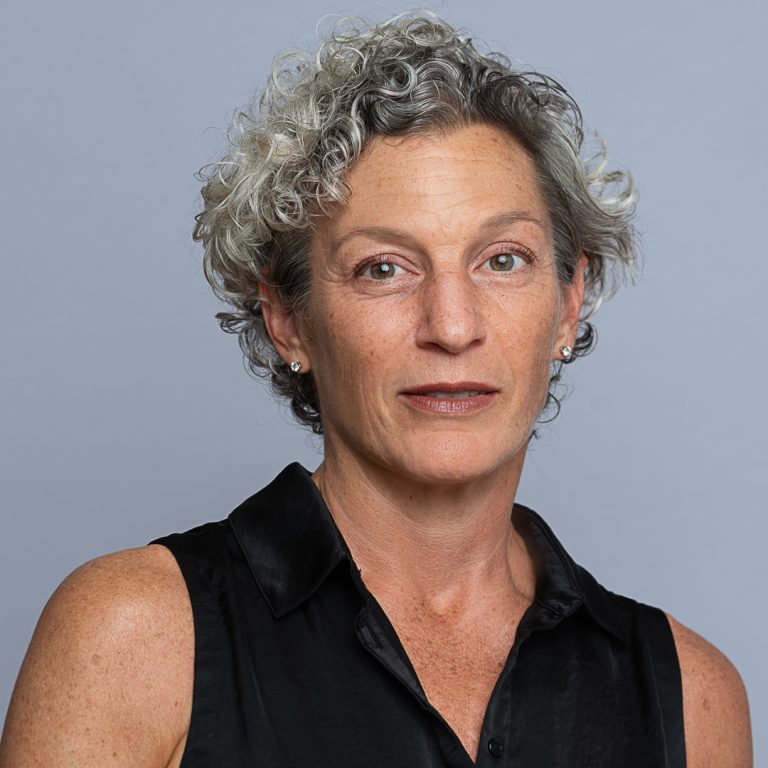 Marissa J. Moorman is Professor of African Cultural Studies at the University of Wisconsin –Madison and the Faculty Director of the African Studies Program. Her research focuses on politics and culture in colonial and independent Angola. Author of two books: Powerful Frequencies: Radio, State Power, and the Cold War in Angola, 1931-2002 (Ohio University Press, 2019) and Intonations: a Social History of Music and Nation in Luanda, Angola, 1945-Recent Times (Ohio University Press, 2008), she is at work on a book about the Luanda Trial of Mercenaries in 1976, tentatively titled “Imperialism on Trial.” With Sean Jacobs, she is co-writing A People’s History of Contemporary Africa, under contract with Columbia University Press. Fellowships from ACLS, Fulbright Hays, and the SSRC have supported her research. In the 2025-26 she will be a member of the School for Historical Studies at the Institute for Advanced Study at Princeton University.
In addition to published journal articles and book chapters on music, fashion, film, radio, and urban space, Moorman has worked on co-edited volumes and special issues. Recently, she has worked closely with Hangar Centro de Investigação Artística on three publications: Atlântica: Contemporary Art from Angola (2018), Qnotes (2021), and Atlântica: Contemporary Art from Cape Verde, Guinea-Bissau, and São Tome and Príncipe (2021). She has co-edited two special issues of the Radical History Review: issue 131 The Global South: History, Politics, Maps (2018) and issue 141 Breaking News (2021) and is currently editing an issue of RHR on Decolonization.
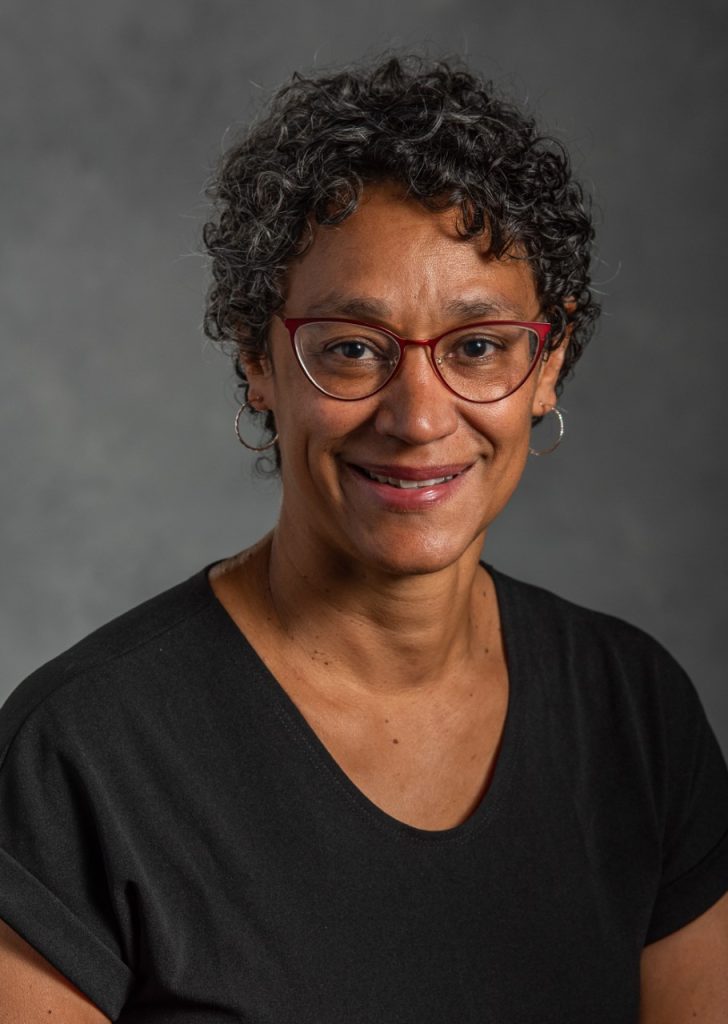 Michelle Moyd is a historian of eastern Africa who studies the region’s histories of soldiering and warfare. Her first book, Violent Intermediaries: African Soldiers, Conquest, and Everyday Colonialism in German East Africa (Ohio University Press, 2014) explores the social and cultural history of African soldiers (askari) in the colonial army of German East Africa, today’s Tanzania. She is at work on a book entitled Africa, Africans, and the First World War, which examines the spectrum of African experiences in the war, especially as soldiers and workers.
She is currently a Red Cedar Distinguished Faculty member at MSU. Before joining the MSU faculty, she was Ruth N. Halls Associate Professor of History at Indiana University, Bloomington. She received her Ph.D. in History from Cornell University in 2008, and held residential fellowships at the Institute for Historical Studies at the University of Texas—Austin and at the International Research Center on Work and Human Lifecycle in Global History in Berlin.
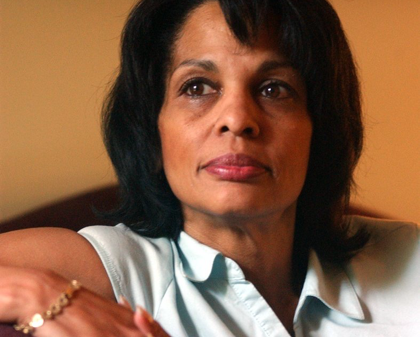
Rosemarie Peña is the founder and president of the Black German Heritage & Research Association (BGHRA) in Africana Studies at Rutgers University–Camden. She is a contributing author to peer-reviewed journals and edited volumes published in English and German. Her publications include “Bedeutsame Geschichten: Kontextualisierung der Erfahrung(-en) Schwarzer deutsch-amerikanischer Adoptierter” in Kinder der Befreiung(Kraft 2015; English edition, Children of the Liberation, 2019) and “Black Germans: Reunifying in Diaspora” in Adoption across Race and Nation: US Histories and Legacies (Hackenesch 2022).
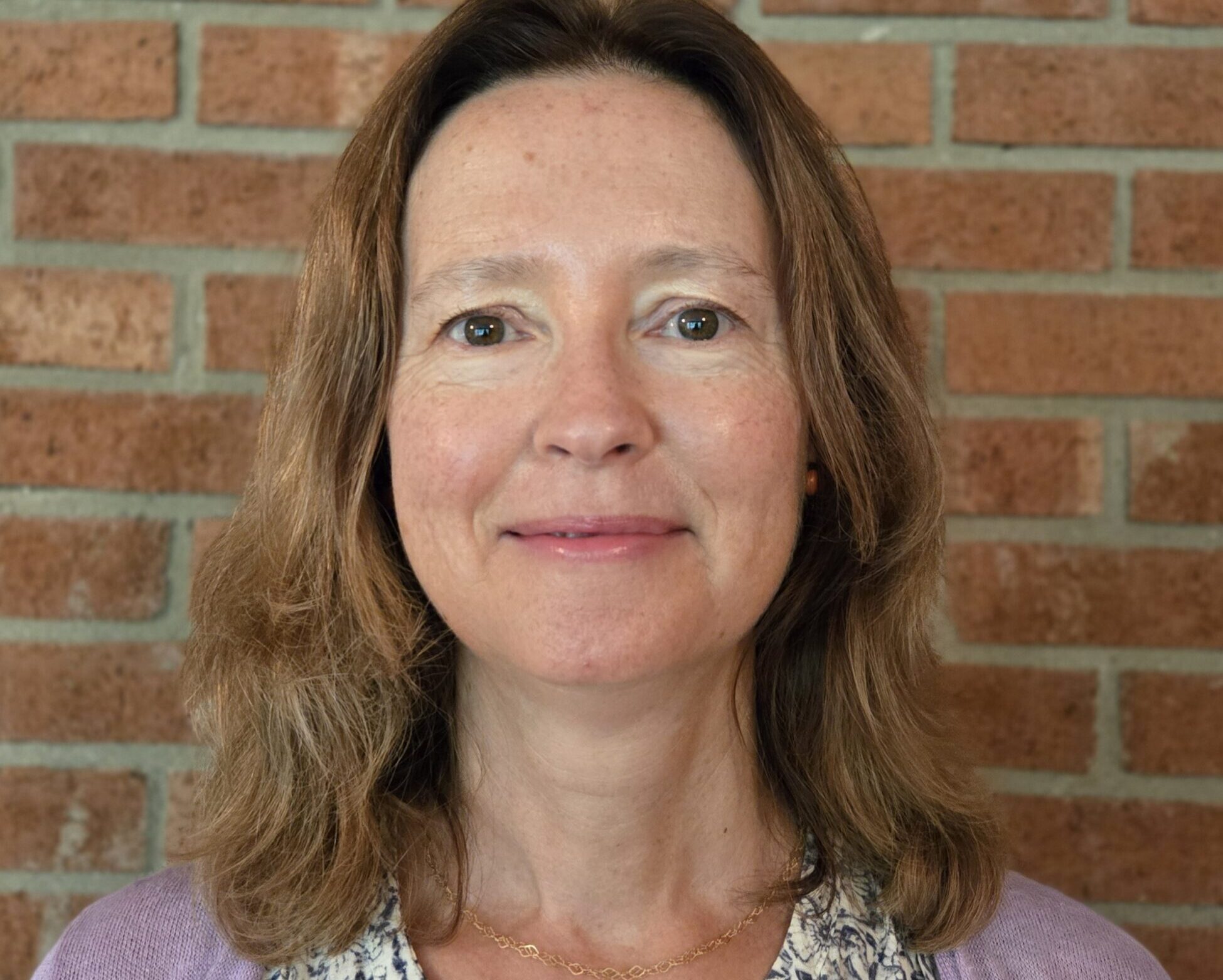 Julia Roos is an associate professor of modern European history at Indiana University—Bloomington whose research focuses on twentieth-century Germany, gender, race, propaganda, and children. She is the author of Weimar through the Lens of Gender: Prostitution Reform, Woman’s Emancipation, and German Democracy, 1919-1933 (University of Michigan Press, 2010); and editor of Historical Reflections/Réflexions historiques 52, no. 2 (summer 2026),special issue on “Reparations and Restitution: Comparative Perspectives on Austria, France, Germany, and the United States.” Her peer-reviewed articles have appeared in Central European History, German History, The Journal of the History of Sexuality, Holocaust and Genocide Studies, and elsewhere. She is currently completing a book manuscript entitled “Race and German Identity: Biracial Descendants of Military Occupation, 1920-1970” (under contract with Cambridge University Press). The study traces two generations of German descendants of Allied soldiers of color to examine continuities and realignments in, as well as international influences on, German understandings of the relationship between race and national belonging.
 Sabrina Thomas is an Associate Professor of African American Studies at UW-Madison. Her research takes a transnational approach to the intersections of race, nation, and war and examines questions of citizenship, identity, and diaspora through the legacies of children born from international conflict. Her first book, Scars of War: The Politics of Paternity and Responsibility for the Amerasians of Vietnam, (University of Nebraska Press, 2021) considered the issue of U.S. citizenship for the Amerasian children of Vietnam. Scars of War was awarded the 2021 “Best First Book” prize from Phi Alpha Theta History Honor Society and was nominated for the Bancroft Prize. Dr. Thomas is the author of numerous articles including “Blood Politics: Reproducing the Children of ‘Others’ in the 1982 Amerasian Immigration Act” published in the Journal of American-East Asian Relations (2019), and “When War Creates Life: Race, Nation, and Belonging for Children Born from War,” to the Cambridge History of War and Society in America (2026). She is currently working on her second book, The Soul of Blood and Borders: Brown Babies, Black Amerasians, and the African American Response. Prior to Texas Tech University, Dr. Thomas was an Associate Professor and the David A. Moore Chair of American History at Wabash College. She earned a B.A. in History from Colorado State University, M.S. in Counseling from Butler University, and Ph.D. in History from Arizona State University. Her recent interview on the podcast, Military Historians are People Too, is now available on Apple podcasts.
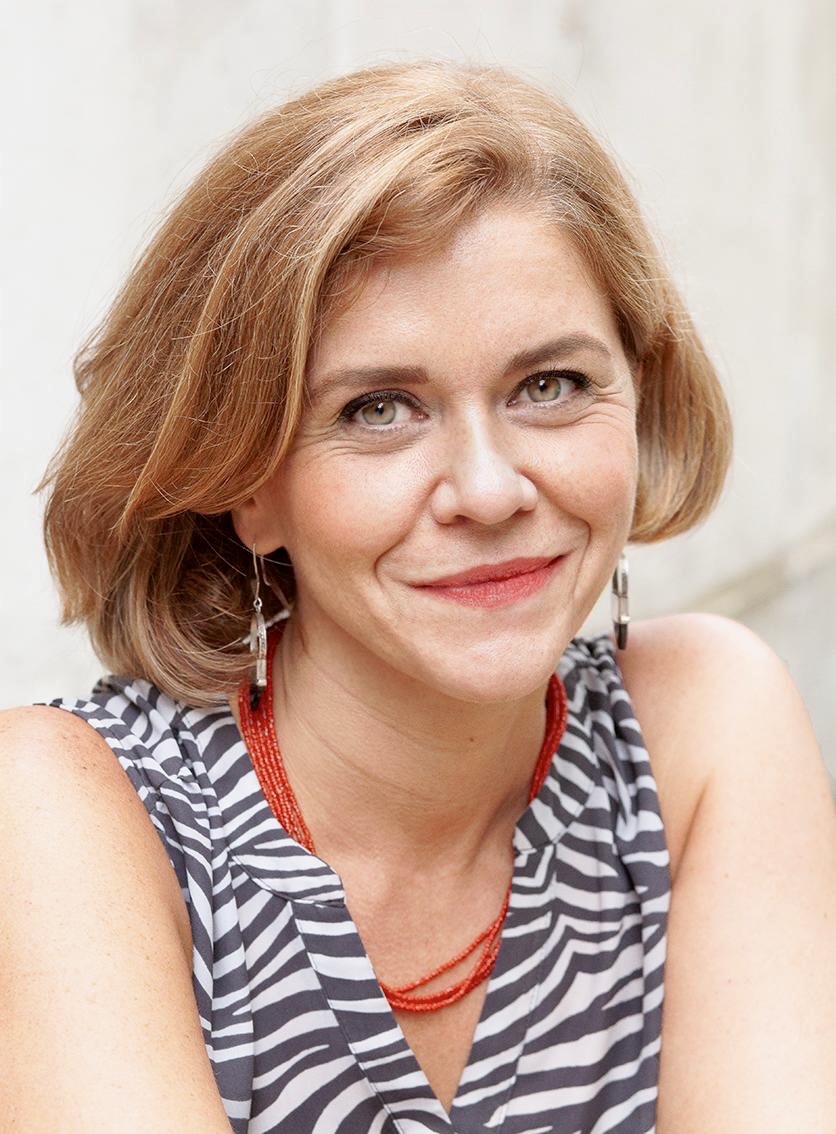 Eliana Vãgãlãu received her B.A. in French Culture from The Colorado College (2003), her M.A. in Romance Languages and Literatures (French & Italian) from the University of Oregon (2005), and her PhD in French from Northwestern University (2015). In 2009, she taught French and Italian at The Colorado College as a Visiting Instructor, and has been teaching at Northwestern since 2006 in various capacities. She is currently Assistant Professor at Loyola University. Her current research interests include literary and cultural studies, with a focus on Francophone texts and Deleuzian theory. She has presented papers on Caribbean authors, as well as Salman Rushdie, Ousmane Sembène and Gilles Deleuze. Her publications include “A part le bonheur, il n’y a rien d’essentiel: The Transnational Narrative Model in Maryse Condé’s Desirada”, “Manhattan Blues: roman, partition ou scénario?”, “I Once Knew A Man”, “L’éclatement volontaire des notions identitaires par la rencontre des imaginaires : La revue intranQu’îllités de James Noël et Pascale Monnin.”
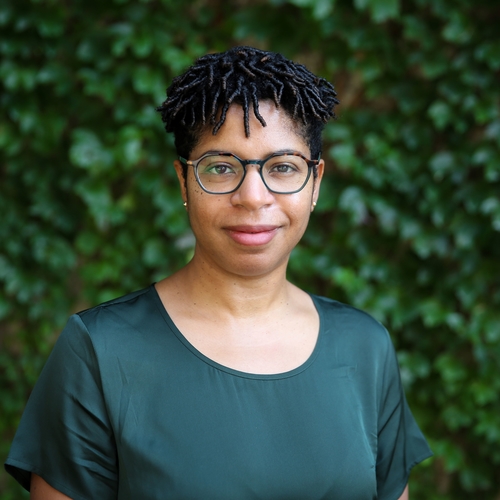
Jamele Watkins is a scholar of race and migration studies with a focus on Black diasporic experiences in German-speaking Europe. Her research and teaching explore intersections of literature, film, and cultural studies, with an emphasis on issues of identity and resistance. Watkins completed a PhD at the University of Massachusetts Amherst. Her publications include: Rearticulating Black Feminist Thought in “Heimat, bittersuesse Heimat”, Silence as an Interlocutor in the Diaspora: Olumide Popoola’s this is not about sadness, and”Anti-Blackness in German Studies” (with Simone Pfleger, Carrie Smith).
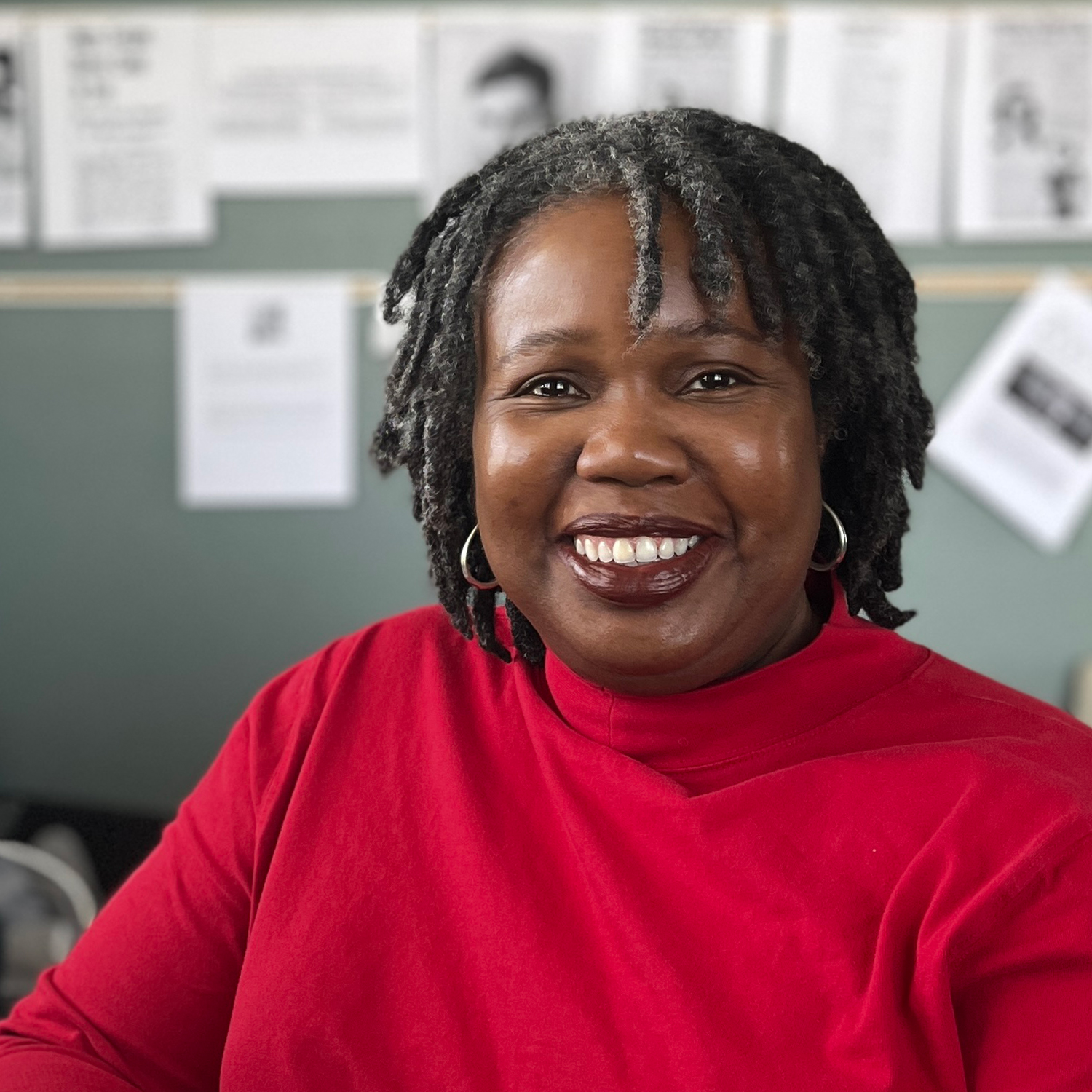 Ethelene Whitmire is a professor at the University of Wisconsin–Madison affiliated with the departments of German, Nordic, and Slavic, and Gender & Women’s Studies. She received an American-Scandinavian Foundation fellowship and a Lois Roth Endowment grant to support this project. She was also a 2016-2017 Fulbright Scholar and visiting professor at the University of Copenhagen’s Center for Transnational American Studies. Whitmire’s research interests include African American Studies; Scandinavian Studies, 20th Century United States History; Transnational African American Experience. Her publications include Regina Anderson Andrews, Harlem Renaissance Librarian (University of Illinois Press, 2014). Currently she is working on The Remarkable Life of Reed Peggram (under contract with Viking Books at Penguin Random House).
This event is generously supported by the: Department of African American Studies, the Anonymous Fund, George L. Mosse Program in History, War in Society and Culture Program, Center for German and European Studies, Department of History, African Cultural Studies, German, Nordic, Slavic+ Department, German Unit.

